
What is banned from a roll-off dumpster?
The core list is consistent across haulers: hazardous waste, solvents, paint, motor oil, fuel, batteries, tyres, asbestos, medical waste, and any appliance containing refrigerant. Add anything burning, smouldering or still hot. Those items are excluded because they are regulated at disposal rather than because they are awkward to lift, so a driver who spots them will refuse the load rather than take the risk. The general terms are covered on the roll-off dumpster rental page, and the sizing question is on dumpster sizes and dimensions.
Why do these items get refused?
Because the landfill or transfer station will refuse them from us. A load carrying a single car battery can be turned away at the gate, which means the whole container comes back, gets sorted, and goes out again. That is billed, and reasonably so. Refrigerant bearing appliances need the gas recovered by a certified technician before the shell can be scrapped. Asbestos needs a licensed abatement contractor and a separate waste stream entirely. None of that is a rule we invented, and none of it is negotiable at the kerb.
What about paint, solvents and fuel?
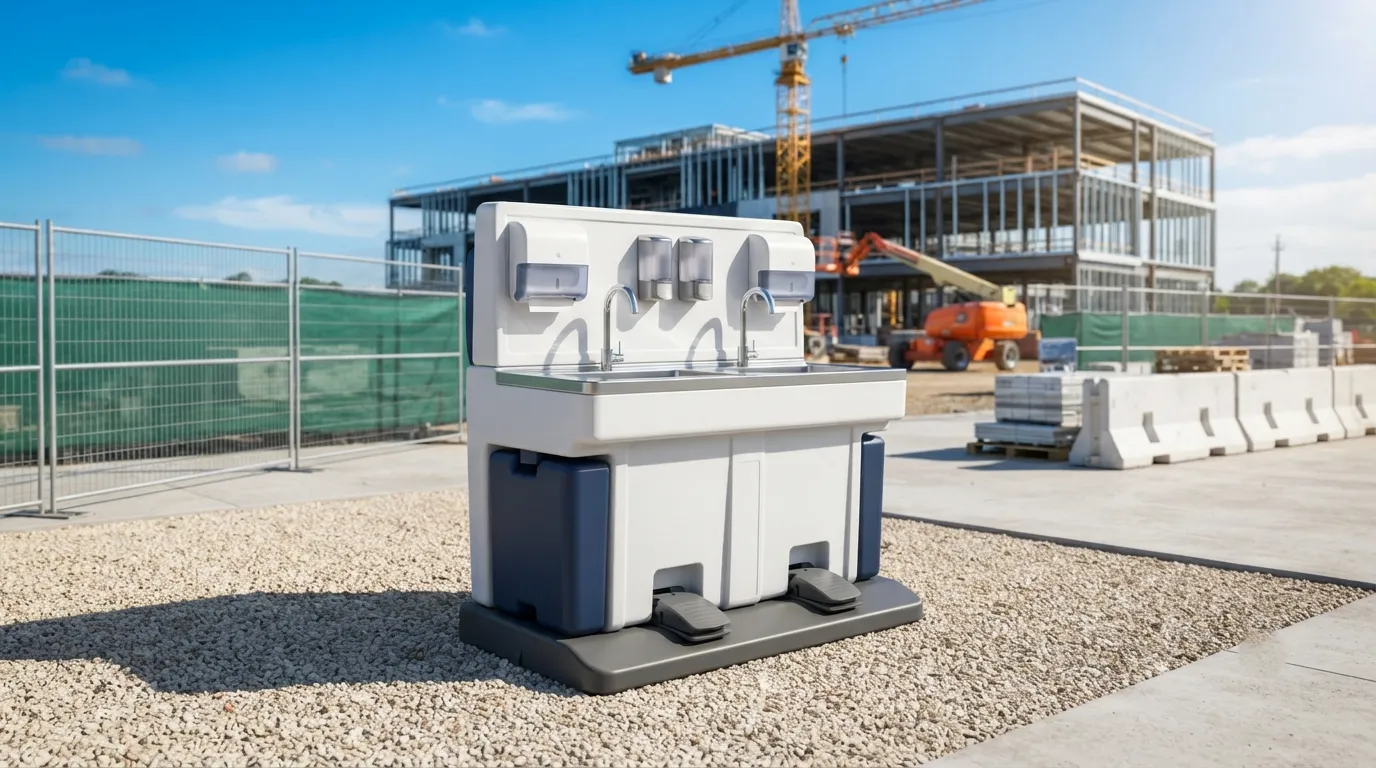
Liquid paint is out. Fully dried latex paint in an open can is usually acceptable, which is why people leave lids off for a week or add hardener before disposal, but check with us before assuming it on a particular load. Solvents, thinners, motor oil, petrol and diesel are always out. So are propane cylinders, full or empty, because they are pressure vessels. Where a crew is using paints or coatings on site there is a related obligation worth knowing: OSHA 1926.51(f)(1) requires washing facilities wherever employees apply paints, coatings, herbicides or insecticides, so those jobs usually need a portable sink or a handwashing station alongside the container.
What about tyres, batteries and electronics?
Tyres are refused because they are banned from most landfill cells and have their own recycling route. Lead acid batteries are refused and are usually taken free by the retailer that sells you the replacement. Electronics vary: small consumer items are often acceptable in a mixed load, screens and monitors frequently are not. When a renovation is generating a mixed pile, it is faster to pull those three categories into a corner before the container arrives than to sort them out of it afterwards.
What can go in?
Almost everything else from a normal job. Timber, drywall, plaster, flooring, cabinetry, roofing, fixtures, general household clear out and yard waste all load without issue on a construction dumpster rental. Clean concrete, brick and dirt are accepted but usually in a dedicated smaller container, because weight rather than volume is the limit. A 10 yard dumpster is the usual size for heavy inert material, while a 30 yard or 40 yard suits bulky light debris. The dumpster weight limits page explains why the two are priced so differently.
What happens if a prohibited item is found?
One of three outcomes. If the driver sees it at pickup, the item comes out and stays with you. If it is found at the transfer station, the load may be rejected and returned, and that becomes a second haul plus a sorting charge. If it is a regulated material handled improperly, the liability sits with whoever put it in the container. None of those are punitive, they are just the actual cost of the problem. Telling us in advance about anything unusual is always cheaper than hoping it is missed, and the dumpster rental cost page shows how the base charges are built.
How do you dispose of the excluded items?
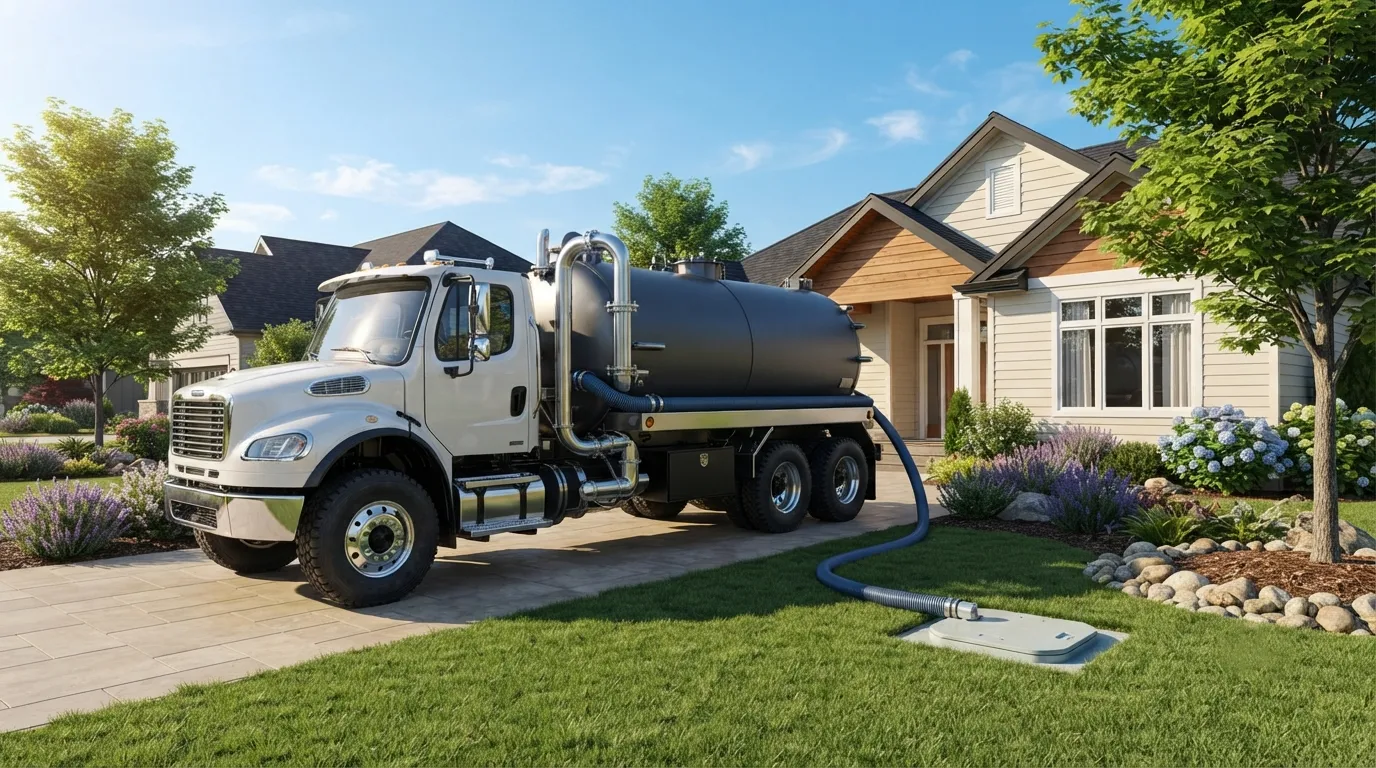
Each has a route. Household hazardous waste, paint and solvents go to a designated collection facility, and Washington County publishes where and when. Tyres go to a tyre recycler, often through the fitter. Batteries go back to the retailer. Refrigerant appliances go to a scrap yard with a certified recovery technician. Asbestos goes to a licensed abatement contractor and nowhere else. If the job is producing liquid waste rather than solids, that is a different service entirely: see septic pumping service, grease trap pumping or a holding tank rental.
What else should you sort before the container arrives?
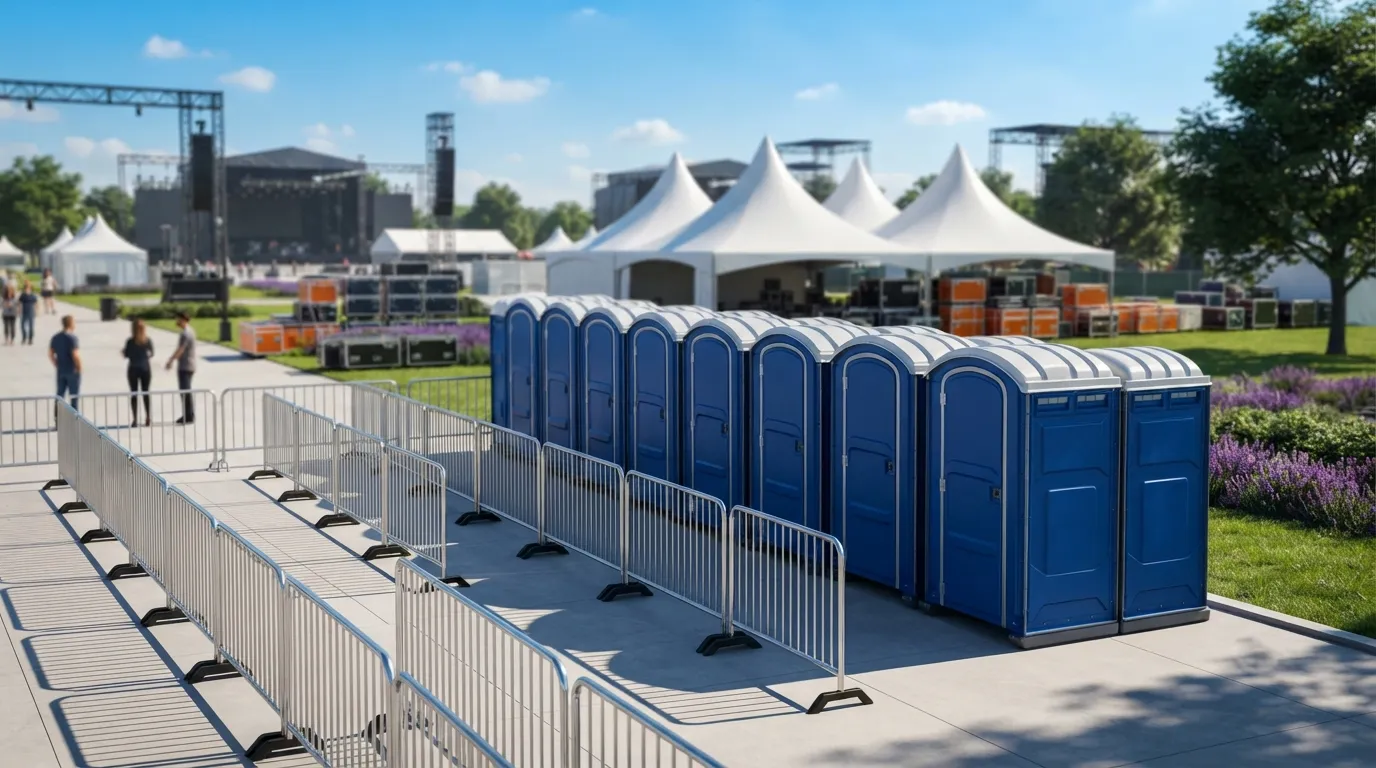
Anything you plan to keep, anything with resale value, and anything on the banned list. Then think about access: a roll-off truck needs about 60 feet of straight clearance behind it to place and collect, and the container should not be boxed in by parked vehicles on collection day. If placement lands on a street or the public right of way, that needs confirming with the City of Beaverton first, and the dumpster permit requirements page covers what applies. On a working site, order the restrooms and the temporary fence on the same run and it is one delivery rather than three. Start with a quote request.
Can I put a mattress in a dumpster?
Usually yes, though some transfer stations charge a per item fee for mattresses and upholstered furniture. Tell us the count when you order and it gets priced rather than discovered.
Is yard waste allowed?
Yes, branches, soil and green waste all load fine, and a dedicated container is cheaper if the load is only yard waste. Soil is heavy, so read dumpster weight limits before filling a large box with it.
What if I am not sure about an item?
Ask before it goes in. A one minute call settles it, and the alternative is a rejected load. Reach us through contact, and the FAQ covers the questions that come up most often.
Do you deliver dumpsters across the Beaverton area?
Yes, including Cedar Hills, West Slope, Tigard and Lake Oswego 9.3 miles southeast. The service areas page lists the full reach.
Next step
Get a delivery date
Tell us the address, the dates and the headcount. We size the order and confirm the route.