
How Do Porta Potties Work?
The setup looks simple because it is. A standard unit is about 44 by 48 inches on the ground and stands roughly 92 inches tall, so it fits tight lots without eating space you need for materials or parking. Under the seat sits the holding tank, and that tank holds the chemical mix that turns waste blue and keeps the smell down between visits. There's a vent stack that pulls odor up and out rather than back into the stall. No water, no electricity, no septic line. That's why you see a standard porta potty rental show up on driveways, farm fields and downtown Beaverton curb space alike. The industry baseline for service, per ANSI/PSAI Z4.3, is one visit a week for up to 10 users across a 40 hour week, though busier sites need more. If you're trying to figure out how many you actually need for a crew or a wedding, the porta potty placement guide and the how many porta potties do I need page walk through the math. For pricing, a standard unit typically runs 100 to 350 dollars a day depending on duration and location; the full breakdown is on the porta potty rental cost page.
How Does a Portable Sink Work?
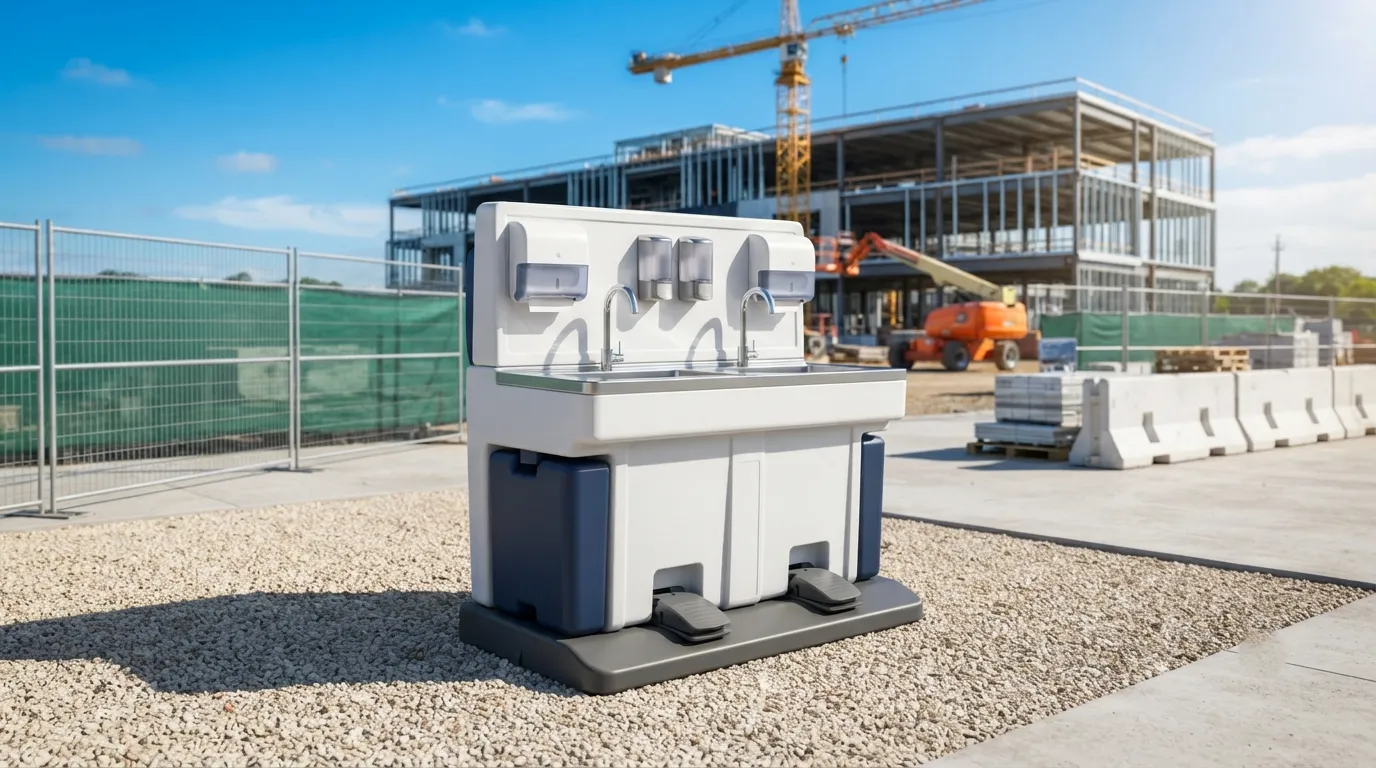
A portable sink is a self-contained unit: a freshwater tank feeds a foot pump or hand pump, and greywater drains into a separate tank underneath. No hose bib, no drain line. You fill the fresh tank, and a crew empties the grey tank on service day, same as the toilets. Soap and towels have to be on the unit, not just sanitizer, because 29 CFR 1910.141(d)(2) is specific that hand sanitizer alone doesn't satisfy washing facility rules. That distinction matters most where OSHA 1926.51(f)(1) applies, meaning crews applying paints, coatings, herbicides or insecticides need real washing water, not a squirt bottle. A handwashing station rental or portable sink rental covers that. Some crews add a hand sanitizer station rental as a supplement near the toilets, but it doesn't replace the sink where contaminants are in play. Full requirements are laid out on the handwashing requirements page.
How Do Flushable Porta Potties Work?
A flushable, or deluxe, unit adds a small onboard water tank and a foot-pump or pressurized flush that rinses the bowl into the same holding tank below. It still isn't tied to a sewer line. The water tank just gets refilled at each service instead of being unlimited like home plumbing. That's the core difference between a deluxe flushable porta potty and a standard chemical unit: more comfort, same disposal method underneath. Deluxe units run 85 to 1200 dollars a day depending on features and rental length, well above a standard unit's cost, which tracks with the added plumbing inside. Weddings and corporate events near Cedar Hills, 2.3 miles north of Beaverton, often spec deluxe units for that reason. If ADA access matters for your event, pair it with an ADA accessible porta potty, which under ADA Standards 213.2 needs at least one accessible unit in any cluster, and 5 percent of units overall once you scale up.
How Do Camping Porta Potties Work?
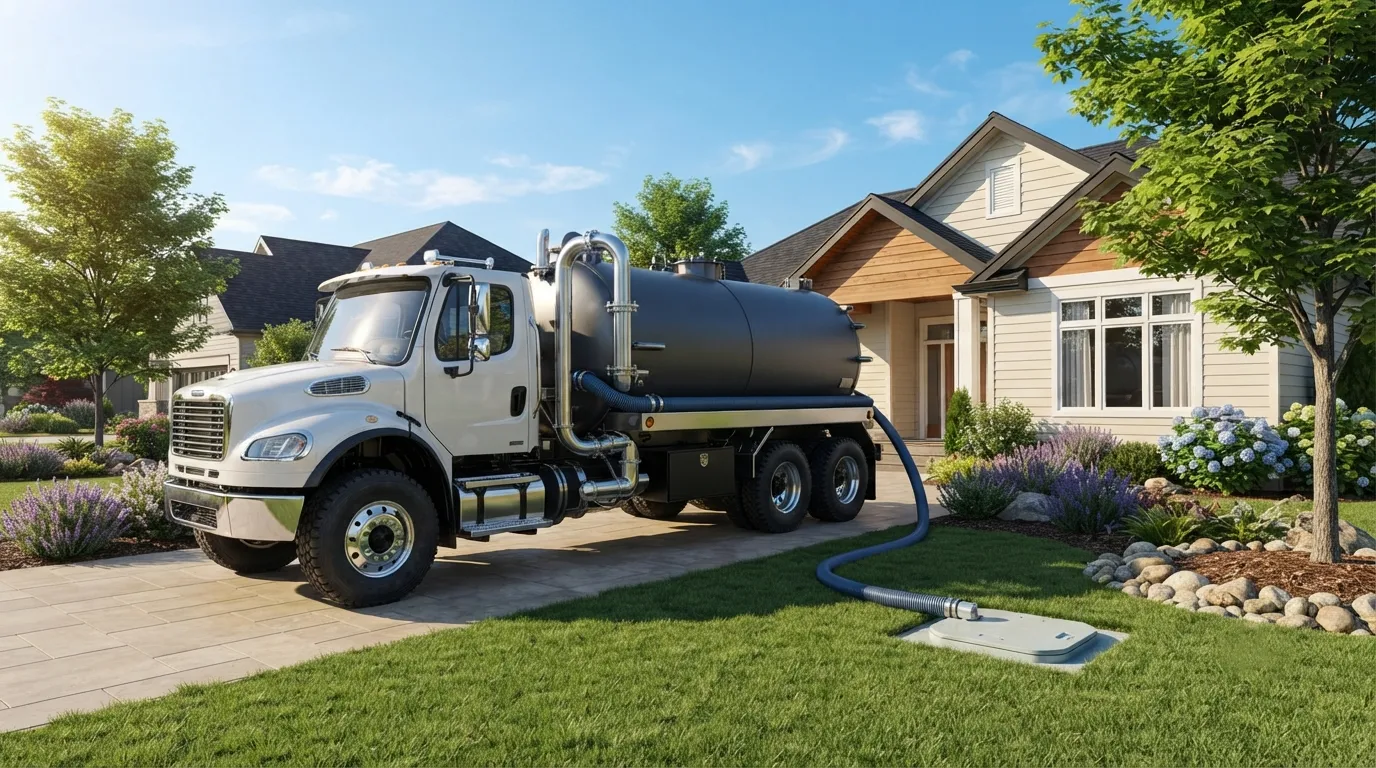
Camping units work the same way as job site units, just smaller and lighter for portability, still using a sealed tank and chemical breakdown instead of a flush system. For a weekend campout or a group site near West Slope, 3.0 miles northeast of Beaverton, a standard unit rented for the weekend runs in the 125 to 400 dollar range, and that number sits below a full week's rate, which makes sense given the shorter service interval. Longer stays or recurring rentals track differently: the monthly porta potty rental page breaks down that pricing, and the porta potty rental per day page covers single-day math. For sites without city sewer access at all, a holding tank rental or full septic pumping service may be the better fit instead of a portable unit.
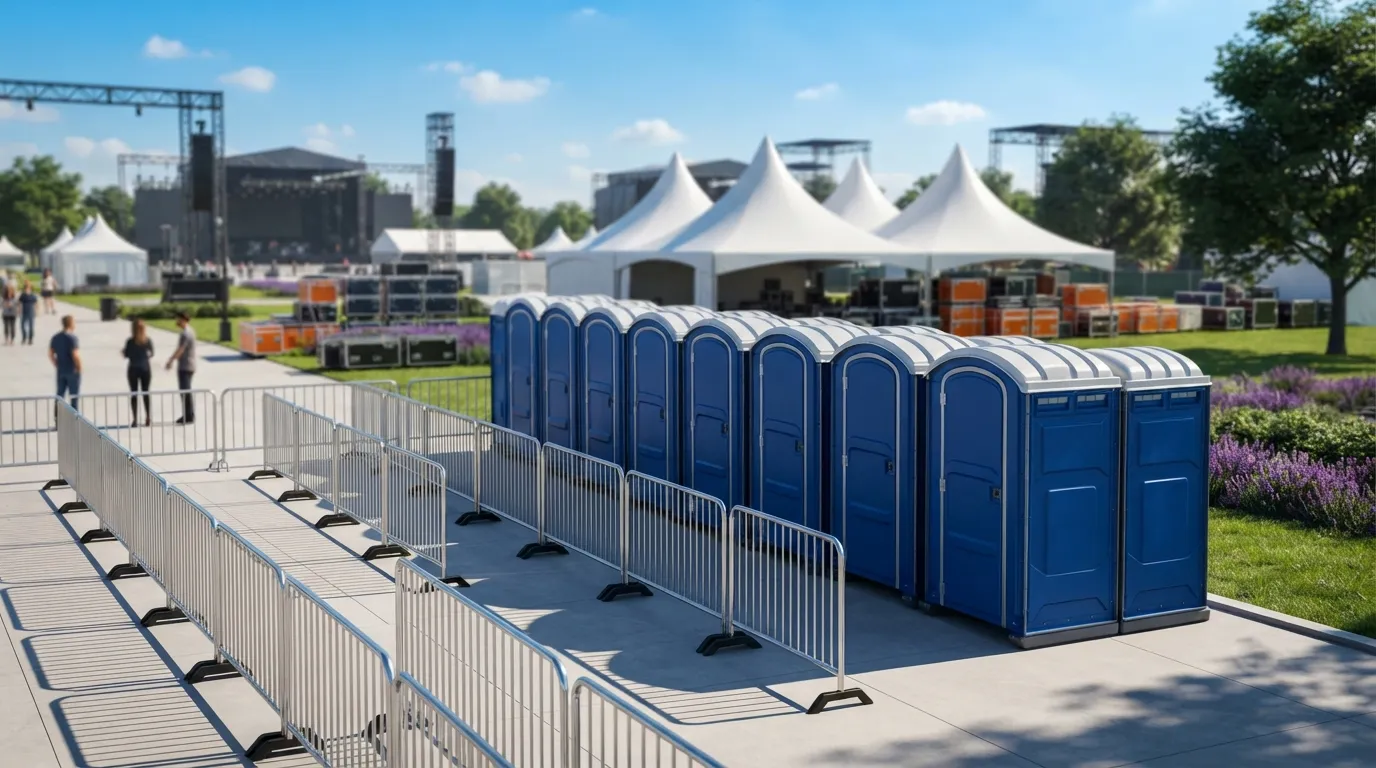
Table: Unit Type and Basic Setup
| Unit type | Tank size | Flush method | Typical day rate |
|---|---|---|---|
| Standard | 60-70 gal | None, chemical only | 100-350 |
| Deluxe flushable | 60-70 gal + fresh tank | Foot pump or pressurized | 85-1200 |
| ADA accessible | 60-70 gal | None, chemical only | 200-400 |
How often do porta potties get serviced?
The industry baseline under ANSI/PSAI Z4.3 is once a week for up to 10 users over a 40 hour week. Busy construction crews or multi-day events need more frequent visits. Beaverton Porta Pros schedules around actual headcount, not just the calendar default.
What chemicals go in a porta potty?
A blue deodorizing and waste-breakdown chemical goes into the holding tank at setup and at each service visit. It controls odor and helps break down solids between pump-outs. It's not something you add yourself between services; that's part of the scheduled visit.
Do porta potties smell if serviced properly?
Not much, if the schedule holds. Odor control depends on the chemical mix, the vent stack, and how many users are hitting one unit. Sites that skip service intervals or overload a single unit see smell complaints fast; the do porta potties smell page covers what drives it.
How many porta potties does a construction crew need?
OSHA 1926.51(c) sets the ratio: one toilet for 20 workers or fewer, then one toilet and one urinal per 40 workers up to 200. A construction worker running to a porta potty on break shouldn't be waiting in line; understaffing units is the most common OSHA complaint on job sites.
Can I rent a porta potty for just one weekend?
Yes. Weekend rates for a standard unit run in the 125 to 400 dollar range, separate from daily or weekly pricing. It's common for weddings, yard sales and small gatherings around Beaverton that don't need a week-long commitment.
Next step
Get a delivery date
Tell us the address, the dates and the headcount. We size the order and confirm the route.