
What do farm and agricultural sites need for restrooms?
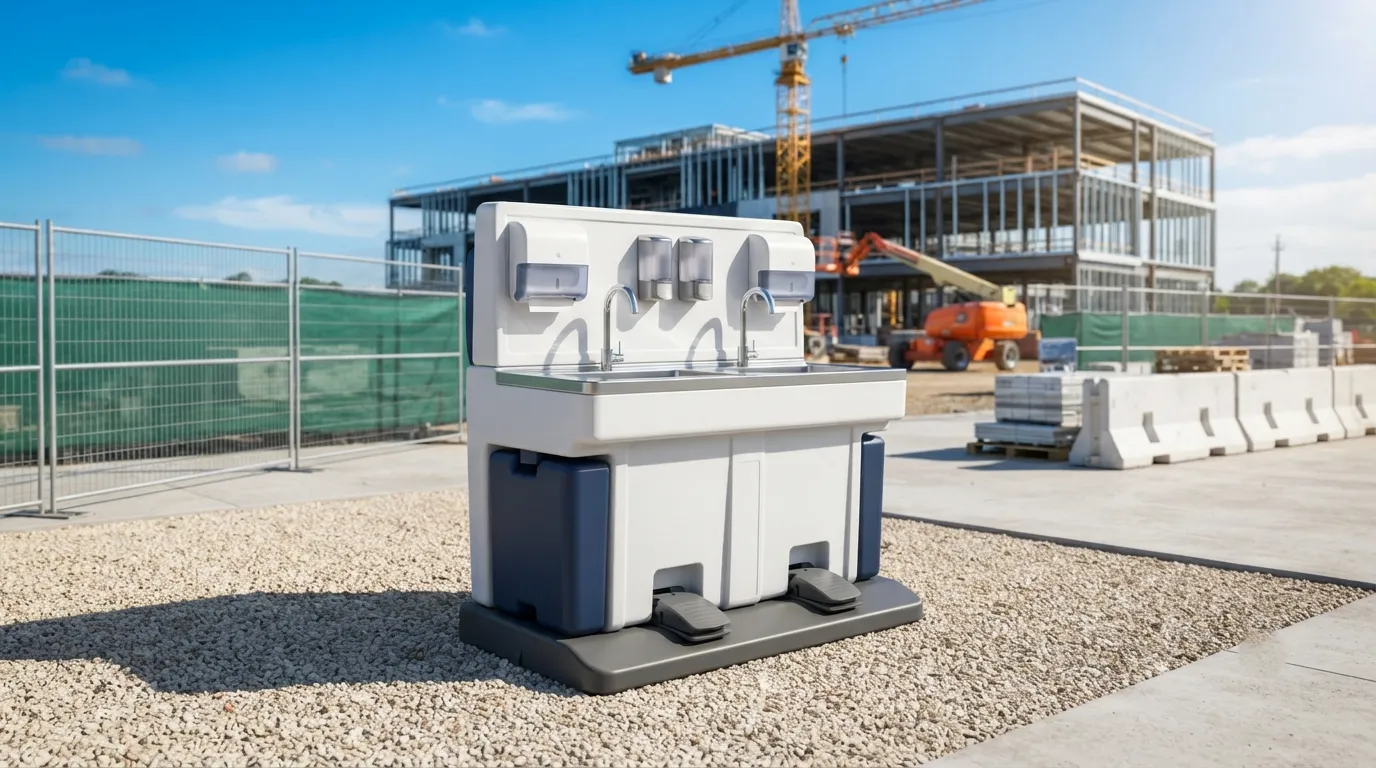
Field sanitation rules are different from a construction site's, and they matter if you run hand-labor crews. OSHA 1928.110 covers agricultural operations specifically: potable water, toilet facilities and handwashing must sit within a quarter mile walk of where people are working, at a rate of one facility per 20 employees. That is tighter than the general construction standard under OSHA portable toilet requirements, which allows one unit per 20 workers without the walking-distance rule attached. A standard porta potty rental covers most crews, with a 60 to 70 gallon holding tank and a footprint of about 44 by 48 inches, small enough to fit on a field access road or a gravel turnout near the rows. Beaverton farms often move units as harvest shifts from block to block, so ask about relocation when you request a quote. Pair the toilet with a handwashing station, since OSHA 1928.110 requires that alongside the toilet, not as an optional add-on. If your crew works with any herbicides or pesticides, washing facilities fall under OSHA 1926.51(f)(1) as well, which applies specifically to workers applying paints, coatings, herbicides or insecticides. A handwashing station rental or a simple portable sink rental satisfies both rules if it is stocked the right way.
How many units does a farm crew actually need?
Crew size drives the count more than acreage does. Use the how many porta potties do I need guide as a starting point, then adjust for how spread out your fields are, since the quarter-mile rule under OSHA 1928.110 means one unit at the barn does not cover a crew working the back forty. Some operations near Beaverton run multiple stations, one per work zone, rather than one large cluster at a central point. If you host U-pick weekends or a farm stand event, treat it like event restroom rental planning instead: expect more foot traffic in a shorter window, and consider a deluxe flushable porta potty for customer-facing areas while keeping standard units for field labor. Washing facilities need soap and a way to dry hands, either towels or a mechanical dryer, under 29 CFR 1910.141(d)(2); hand sanitizer alone does not meet that standard, so a proper portable sink rental matters more than a sanitizer dispenser bolted to a fence post. For visiting customers with mobility needs, an ADA accessible porta potty unit should be part of the mix, since ADA Standards section 213.2 requires at least one accessible unit in any cluster, and never fewer than 5 percent of the total. Farms with septic-served buildings should also track pumping schedules separately, since a home or farmhouse septic tank is typically serviced every 3 to 5 years depending on tank size and household load.
Why do some farms need holding tanks instead of standard units?
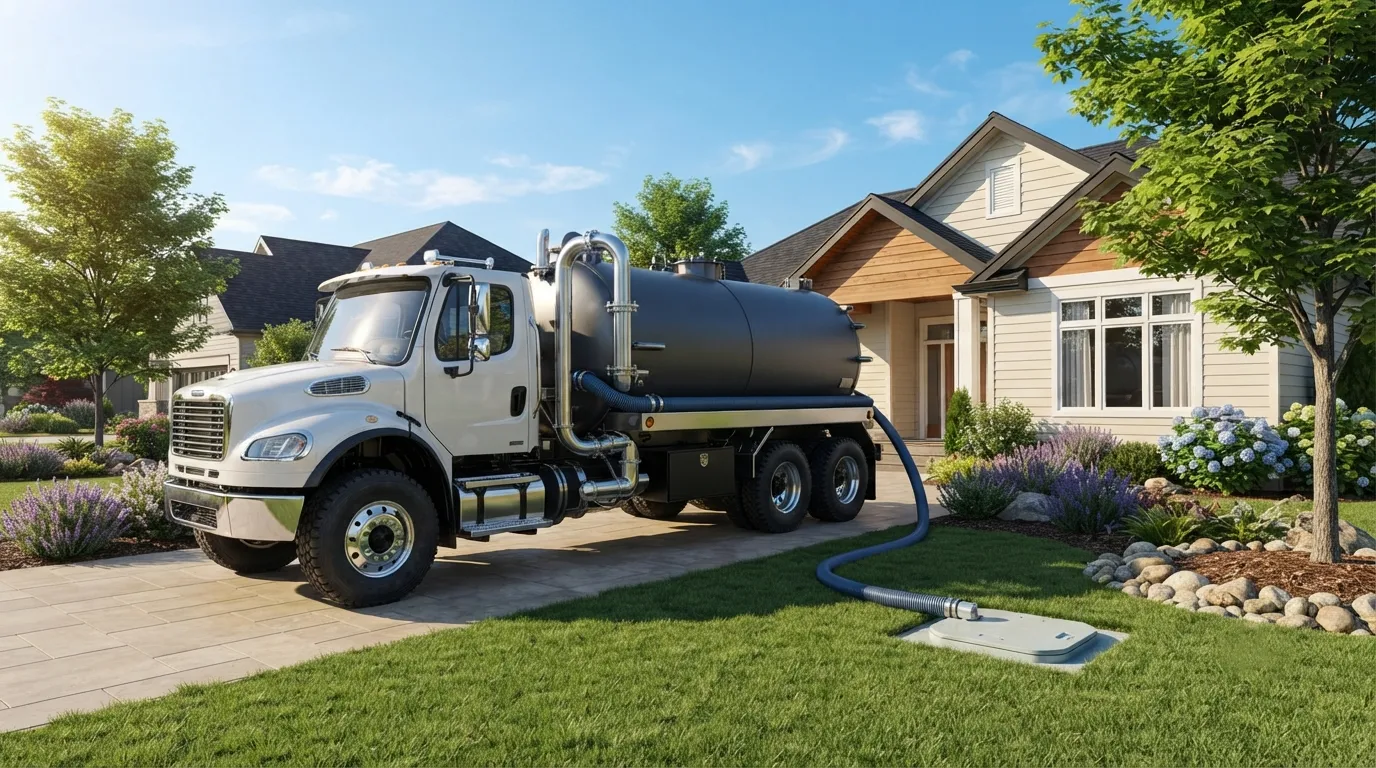
Remote fields without road access sometimes need a self-contained system rather than a serviced unit truck can reach easily. A holding tank rental works for wash stations, milking parlors or processing areas that generate wastewater beyond what a standard toilet handles. Dairy and produce operations with a wash-down area sometimes run into grease and solids buildup too, similar to a commercial kitchen; a grease interceptor is typically pumped once fats, oils, grease and solids reach 25 percent of the liquid depth, and the same logic applies to any tank handling wash water. If your operation runs a farm store or commercial kitchen on-site, look at grease trap pumping on its own schedule, separate from field toilets. For general property septic service, septic pumping service and septic tank cleaning cover routine maintenance, and the septic tank warning signs page is worth a read before a slow drain becomes a backup during harvest. Farms running heavy equipment or hosting seasonal labor camps sometimes add temporary fence rental around a restroom cluster to keep the area contained, and a light tower rental helps if crews start before sunrise. Beaverton's mix of nursery operations and small produce farms means setups vary a lot from one property to the next, so a walk-through beats guessing at unit count over the phone.
How far in advance should I book for harvest season?
Book two to three weeks ahead if you can, especially for multiple units across several fields. Harvest season demand spikes fast, and standard units run $100 to $350 a day depending on term length. Rush requests are still possible; call and ask.
Do I need a handwashing station separate from the toilet?
Yes, under OSHA 1928.110 both are required together for hand-labor crews, not one or the other. A handwashing station rental stocked with soap and towels satisfies 29 CFR 1910.141(d)(2) as well.
Can I move units between fields during the season?
Yes, most standard units can be relocated as work shifts across your property. Let us know your rotation schedule when you book so we can plan pickup and delivery around it.
What if my farm is outside Beaverton proper?
We serve Washington County broadly, including Cedar Hills 2.3 miles north and West Slope 3.0 miles northeast of Beaverton. Ask about your specific location when requesting a quote.
How do I know if I need a holding tank instead of a standard toilet?
If your site lacks road access for a service truck, or you're managing wash water from a parlor or processing shed, a holding tank rental usually fits better than a standard unit.
Next step
Get a delivery date
Tell us the address, the dates and the headcount. We size the order and confirm the route.