
What is a portable sink?
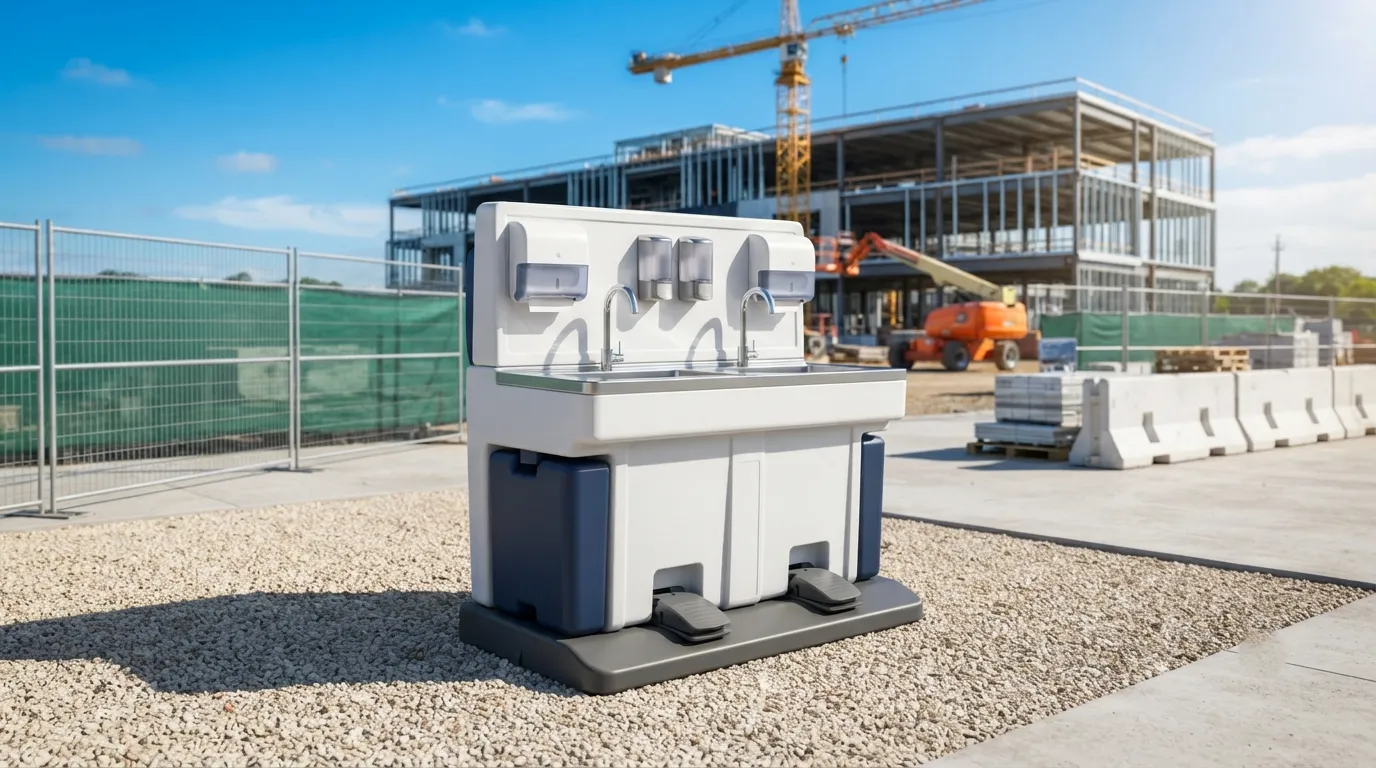
A self contained basin on a stand with its own fresh water tank, a foot pump, soap and towel dispensers, and a sealed greywater tank below. No connection to a building and no power needed. Single bay units suit a small crew or a food stall. Two bay units let two people wash at once and are the usual choice for a working site, which is where they overlap with a full handwashing station rental. The difference between the two is configuration and capacity rather than principle. Where the need is hygiene without water, a hand sanitizer station is the cheaper answer, though as the next section explains it does not satisfy every rule.
When is a sink legally required?
More often than crews expect. OSHA 1926.51(f)(1) requires washing facilities wherever employees apply paints, coatings, herbicides or insecticides, or handle harmful substances, which sweeps in a large share of Beaverton repaint, landscaping and finishing work. What counts as a washing facility is defined separately: 29 CFR 1910.141(d)(2) requires soap and either individual towels or a warm air dryer. Sanitizer alone does not meet it. OSHA 1926.51(a)(1) adds a standing requirement for an adequate supply of potable water at every workplace. The handwashing requirements page covers the detail, and the OSHA portable toilet requirements page covers the restroom ratios that sit alongside.
How many do you need on site?
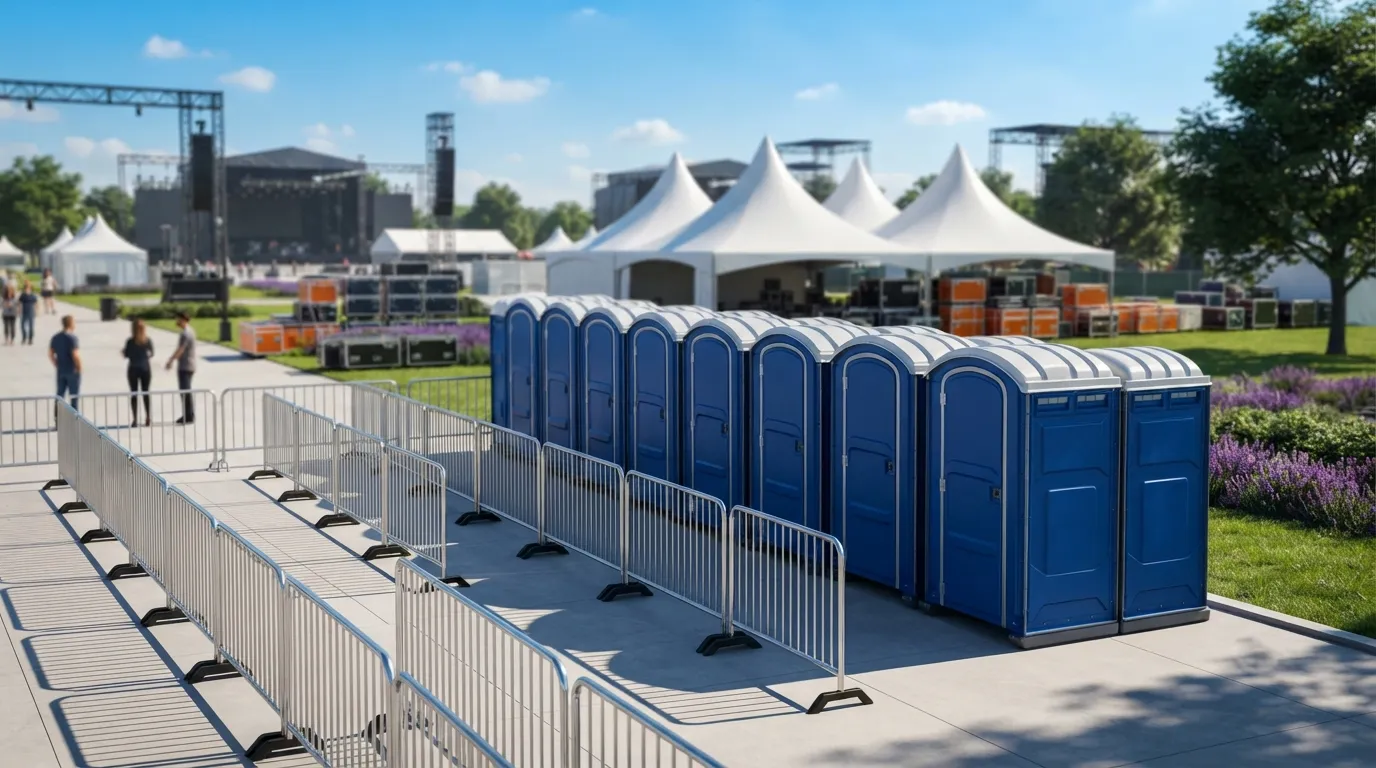
Size the restrooms first and the sinks follow. OSHA 1926.51(c) sets one toilet facility for up to 20 workers, then one seat and one urinal per 40 as the crew grows. Sinks belong wherever those units stand, because a wash point 200 feet from the cabins does not get used. For events with food service the ratio tightens to roughly one two bay unit per two to four restroom units, since people eating wash far more often. The how many porta potties do I need guide does the restroom arithmetic and we size the sinks against the answer.
Where should it go?
Beside the restrooms, on firm level ground, visible and out of the traffic lane. Keep the service route clear so a refill does not need the site stopped. Cold matters in a Beaverton winter, since standing water in a pump line can freeze on a hard night, so units move out of the wind and onto a tighter service interval through the cold months. The porta potty in winter page covers the same problem on the restroom side. If the position sits in the public right of way, that placement needs confirming with the City of Beaverton first, and the permit requirements page explains what we can and cannot state for you. General access advice is on the placement guide.
How does servicing work?
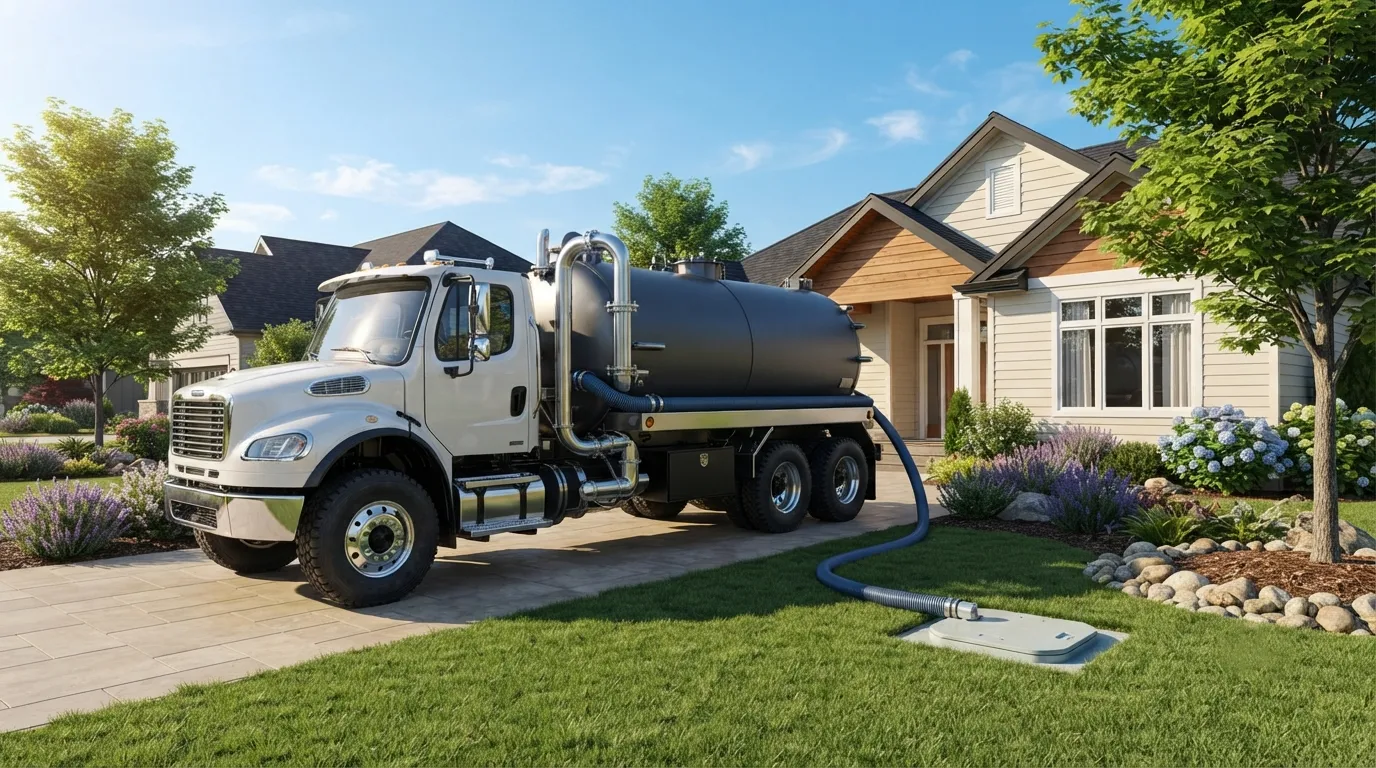
The technician who pumps the restrooms refills the sink on the same visit: fresh water in, greywater out, soap and towels restocked, surfaces wiped. The ANSI/PSAI Z4.3 baseline of one visit a week for up to 10 users over a 40 hour week anchors the schedule, and heavy use or hot weather pushes it up. Greywater leaves site with us and is disposed of properly, the same as tank contents from a septic pumping service. The cleaning schedule page sets out how the interval is chosen.
Do events need them?
Whenever food is served. Caterers, food trucks and volunteer kitchens all need a wash point at the place of work, and one beside the event restroom rental bank covers guests at the same time. A wedding with a marquee kitchen, a festival with vendor stalls and a county fair all sit at the higher end of the ratio. Where the setting is upscale, a luxury restroom trailer arrives with sinks plumbed in and the freestanding units then cover the back of house.
What does a portable sink rental cost?
Three lines: the unit by duration, the delivery, and the service. On a short hire the delivery leg dominates, so putting the sink on the same run as the restrooms is materially cheaper than a second mobilisation. On a monthly construction site hold the unit rate spreads and the service interval drives the total. Distance moves delivery, so Cedar Hills at 2.3 miles north prices below Lake Oswego at 9.3 miles southeast. The porta potty rental cost page has the fleet bands and a quote request prices your address.
What else lands on the same order?
Restrooms almost always: a standard porta potty rental or a bank of porta john units, with an ADA accessible unit wherever the public is present, since ADA Standards 213.2 requires at least 5 percent of clustered units, and never fewer than one, to be accessible. Working sites add a roll-off dumpster, temporary fence and a storage container. One order means one delivery run and one invoice, which is the whole argument for bundling.
Does a portable sink need power?
No. The pump is foot operated and the water is carried in the unit, so it works in the middle of a field. That is the reason to rent one rather than run a temporary supply.
How many washes does a tank give?
Around 22 gallons of fresh water covers several hundred washes at normal flow, which is a working week for a small crew or a busy day at an event. Above that, add a second unit rather than shortening the interval, because a queue is what stops people washing.
Can I add one mid rental?
Yes. Call and it goes on the next scheduled run, which avoids a separate delivery fee. This happens most often when a crew grows or an inspection flags the washing rule. Start at contact or send a quote.
Do you deliver across the Beaverton area?
Yes, including Cedar Hills, West Slope and Tigard. The full reach is on the service areas page and about Beaverton Porta Pros explains how the routes run.
Next step
Get a delivery date
Tell us the address, the dates and the headcount. We size the order and confirm the route.